12th Session of the National Council for the Award of Academic Honours 2026
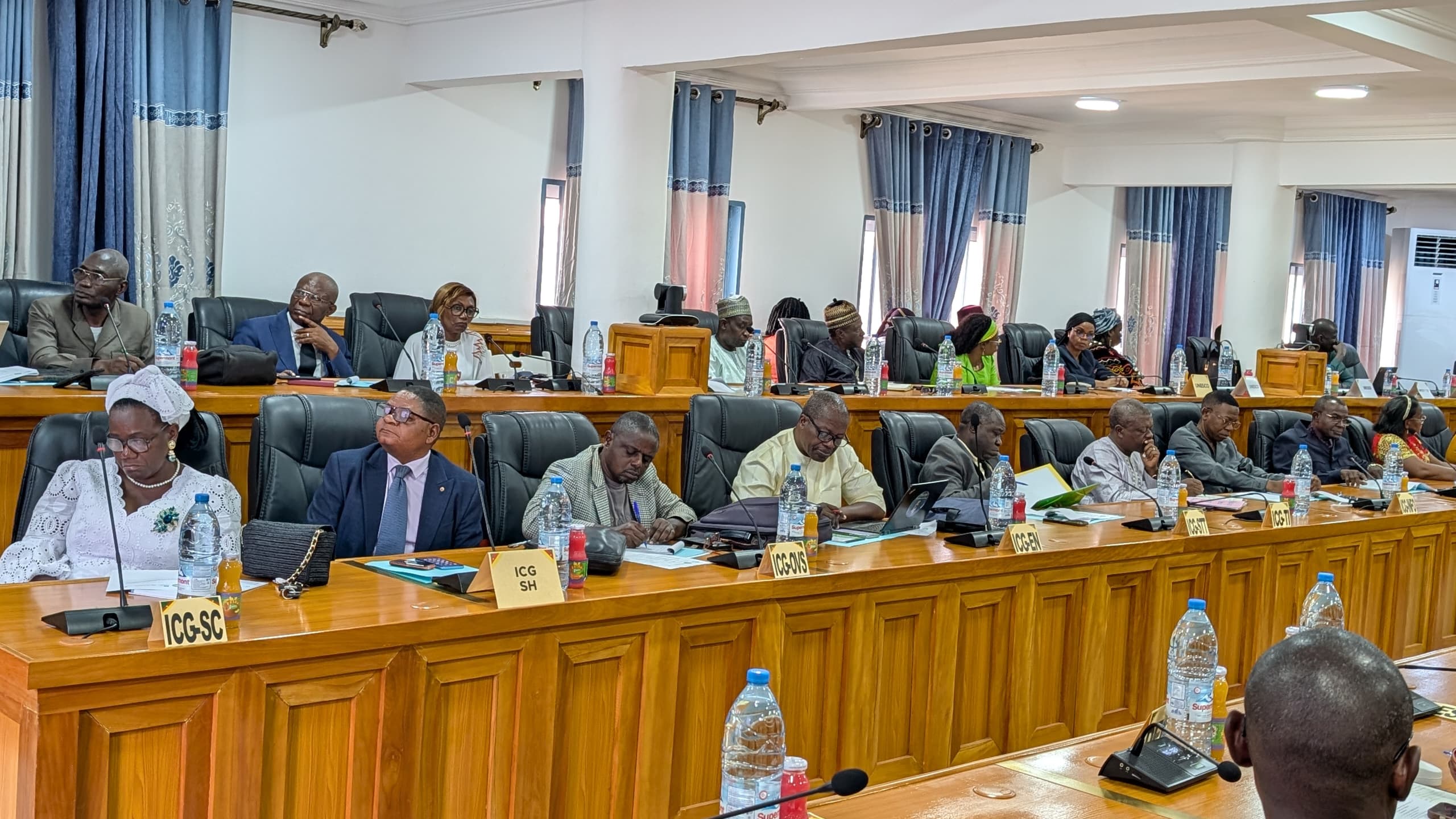
The Ministry of Secondary Education and some other Ministerial Departments [MINEDUB, MINEFOP, and MINSEP] held the 12th Session of the National Council for the Award of Academic Honours at the AIDL Centre.
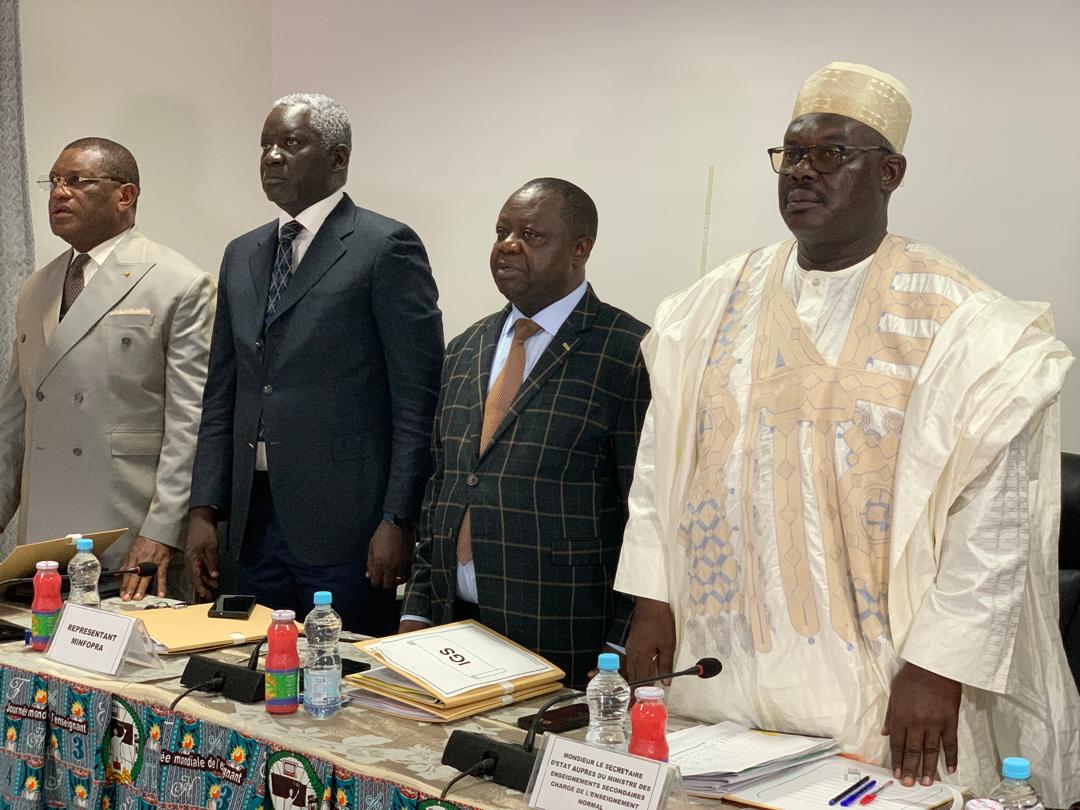
The session opened this Tuesday, September 15, 2026, at the AIDL Centre in Yaounde. The session is being organised by the Ministry of Secondary Education to examine applications for academic distinctions to be awarded to deserving personnel of the teaching corps.
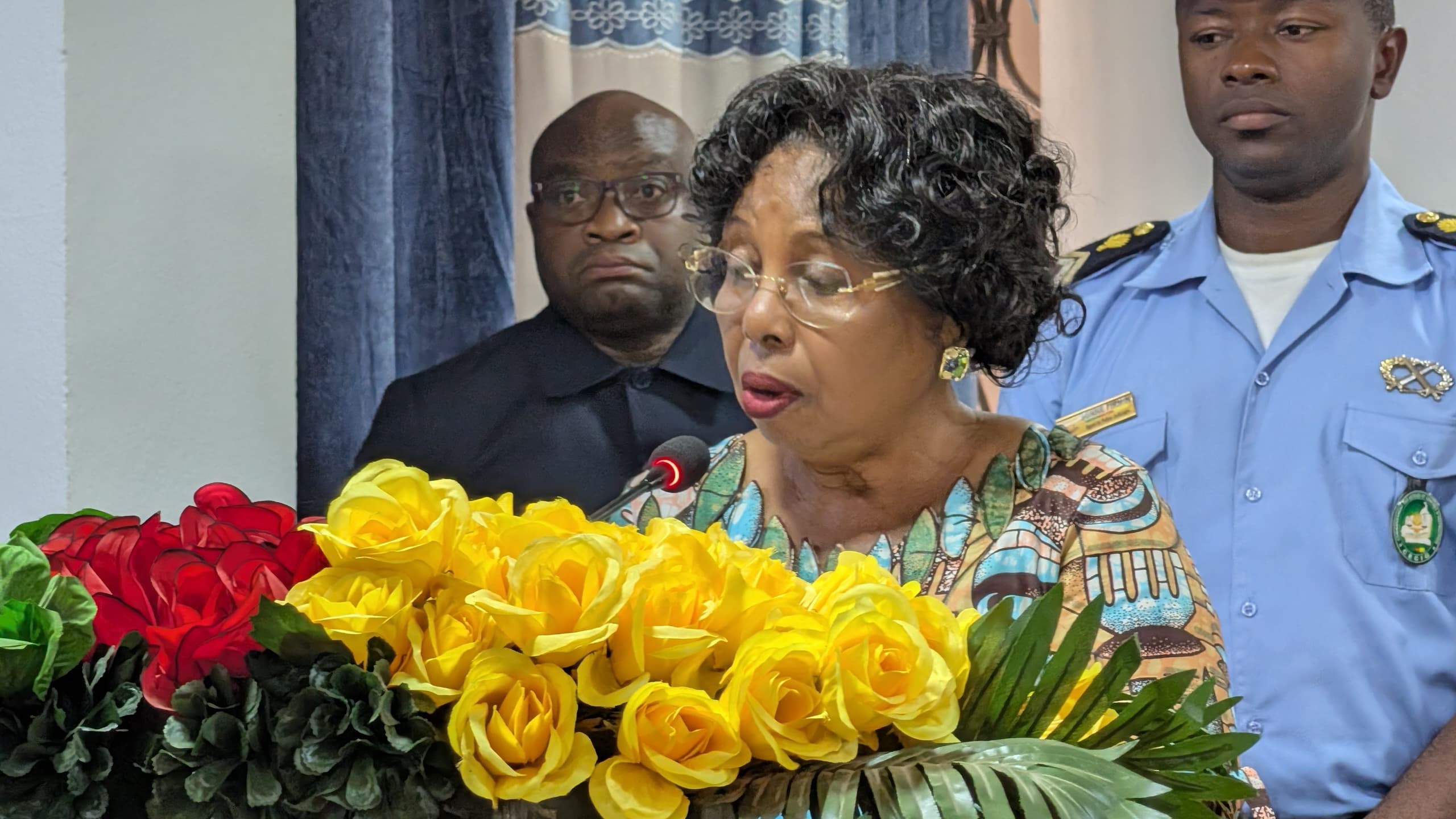
The deliberations presided over by the Secretary of State to the Minister of Secondary Education in charge of Teacher Training, Boniface Bayaola, representing the Chairperson of the National Council, Professor Nalova Lyonga, Minister of Secondary Education.
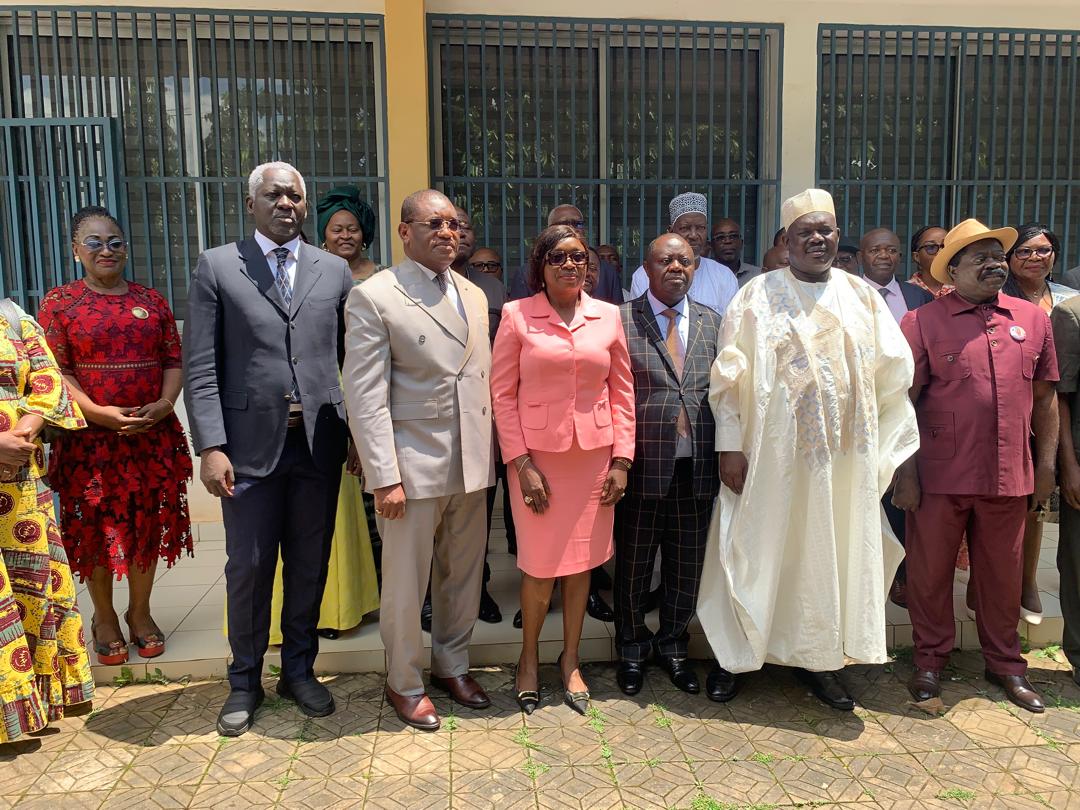
In his opening remarks, he urged Council members to conduct the deliberations with cordiality, serenity, justice and fairness. The Director of Human Resources at MINESEC, Orock Comfort, subsequently presented the eligibility criteria for the various honours.
- Knight of Academic Honours: Applicants must have at least fifteen years of teaching experience;
- Officer of Academic Honours: Applicants must have held the title of Knight for at least five years;
- Commander of Academic Honours: Applicants must have at least twenty-five years of teaching experience and have held the title of Officer for five years.
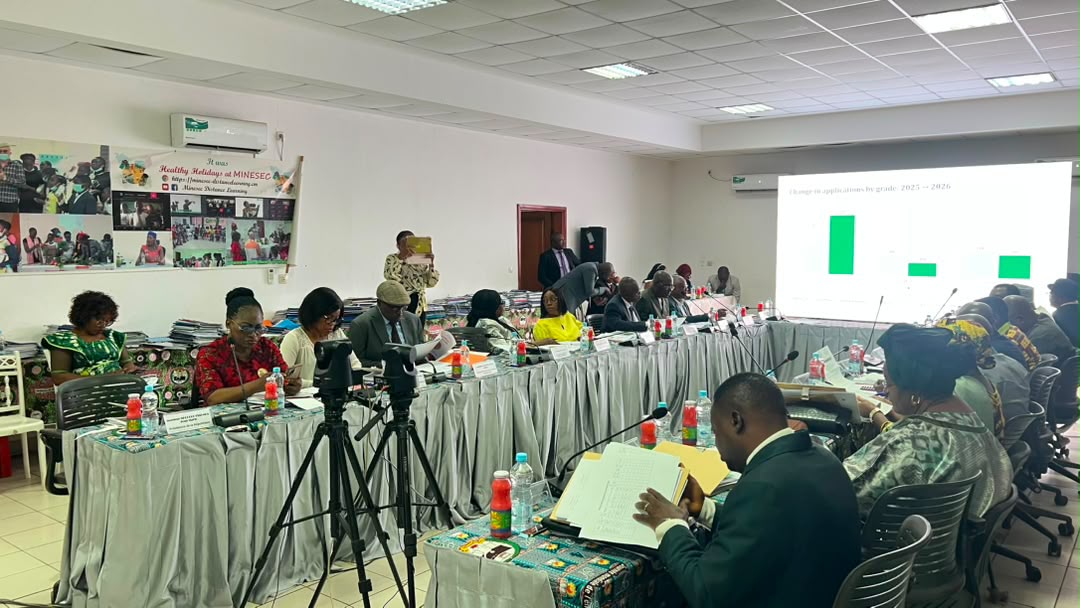
The director of Human Resources further presented the statistics of the total number of applications received:
- 1,027 applications for the rank of Knight;
- 223 applications for the rank of Officer;
- 360 applications for the rank of Commander.
From the above, we realize that 1,610 applications have been received for the 2026 session, representing a slight increase from the 1,566 applications recorded in 2025.
The Council will determine the number of medals to be awarded in each category before selecting the laureates. The distinctions will be conferred on October 5, 2026, during World Teachers’ Day.
By JOSO Sophie
ARO2-CELCOM