school and education

Contact Us

 +237 222 223 843

Harmonizing Education: The Transformative Role Music Plays in Secondary School Students’ Learning

Harmonizing Education: The Transformative Role Music Plays in Secondary School Students’ Learning

I Am Music - Curbing Violence in Secondary Schools through Music

HarmonizingEducation01

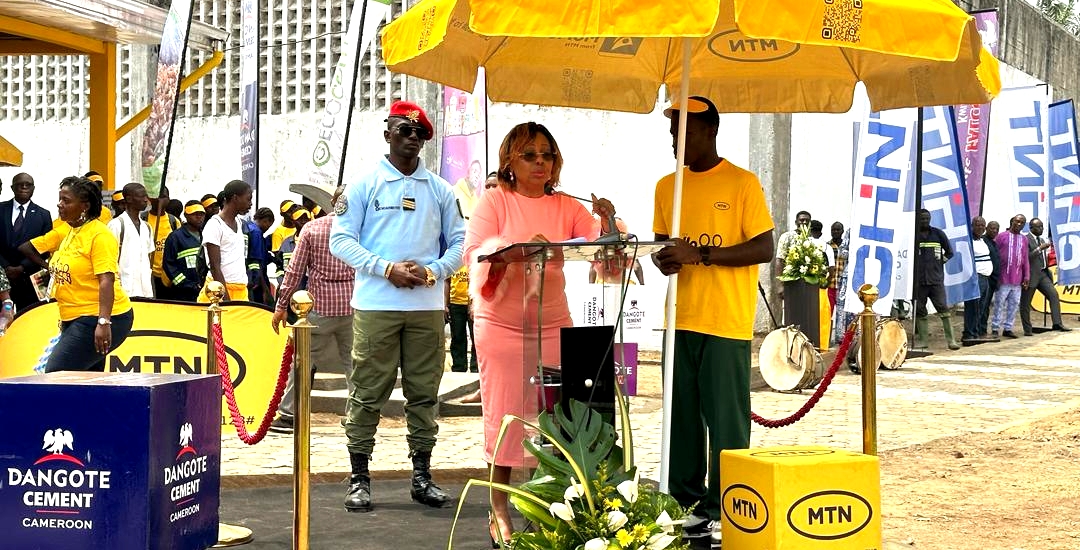
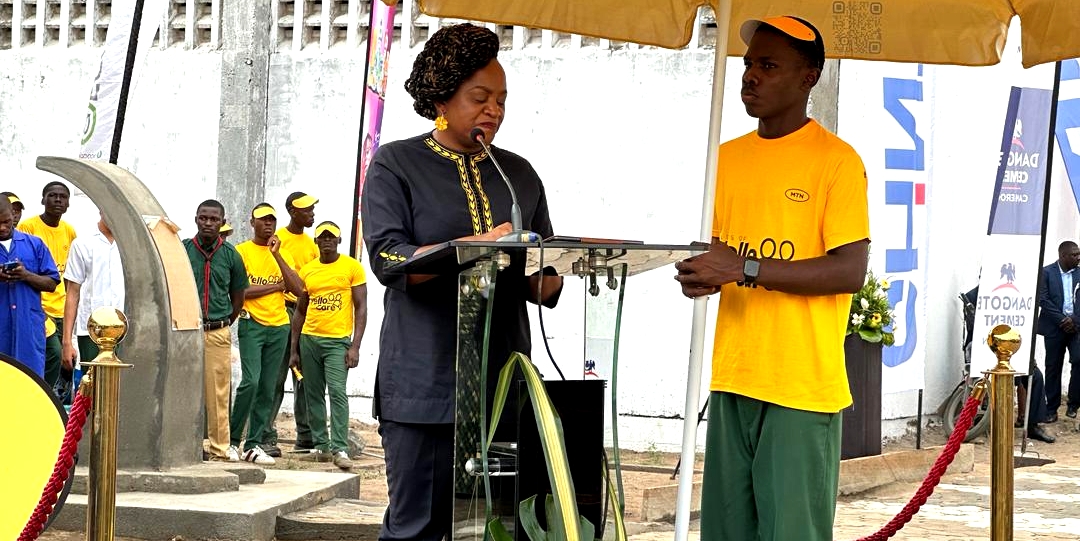
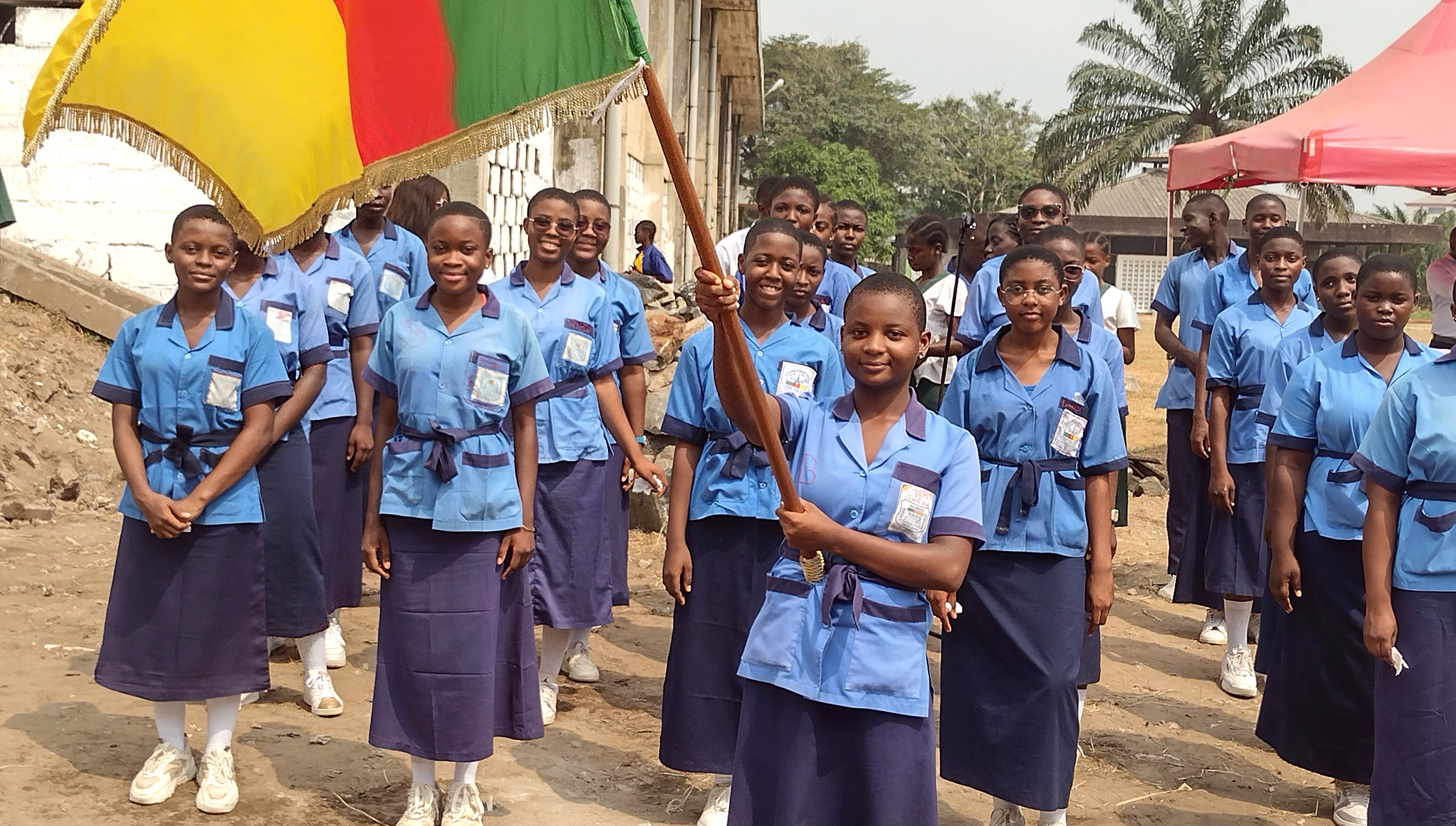
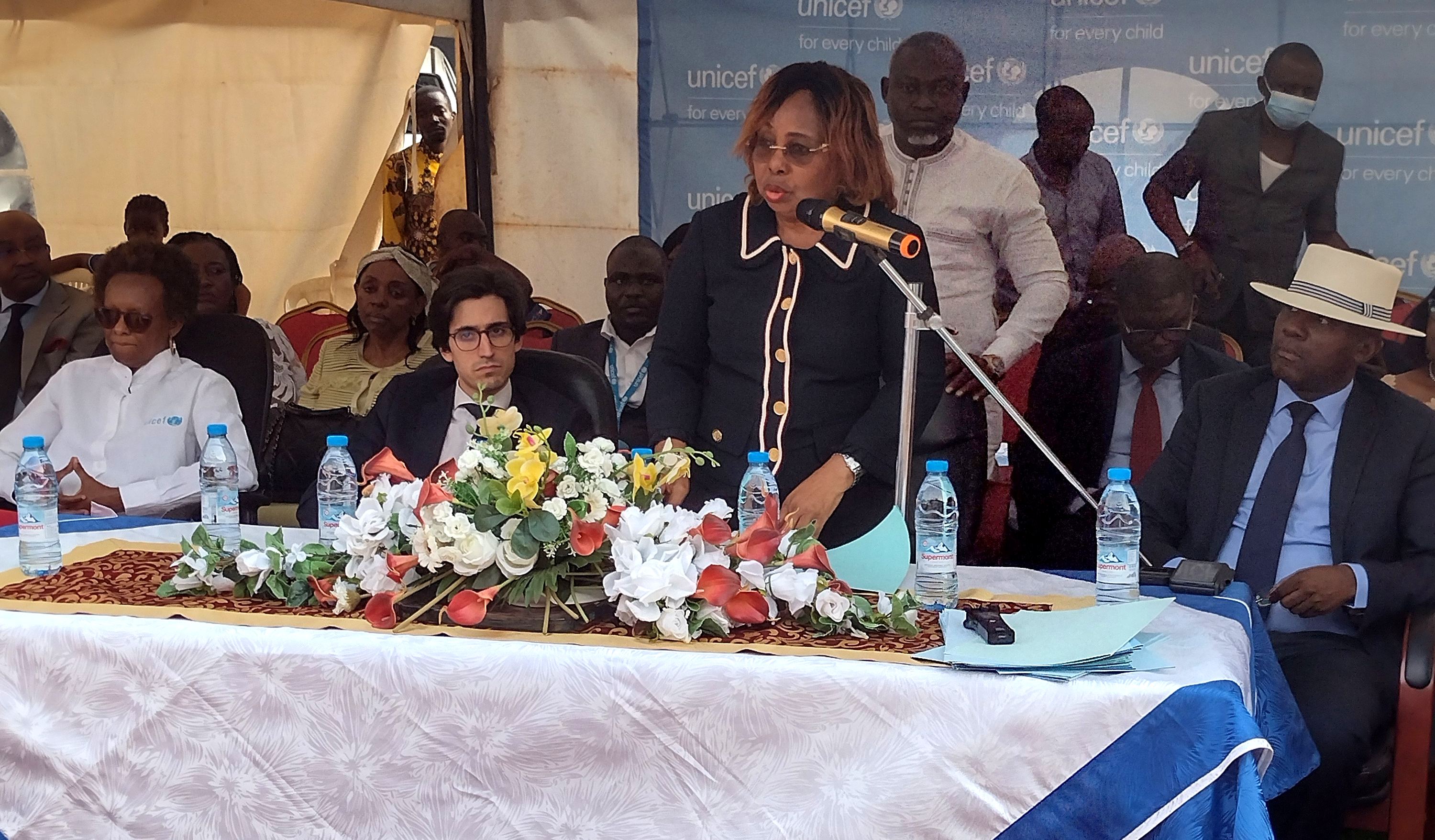
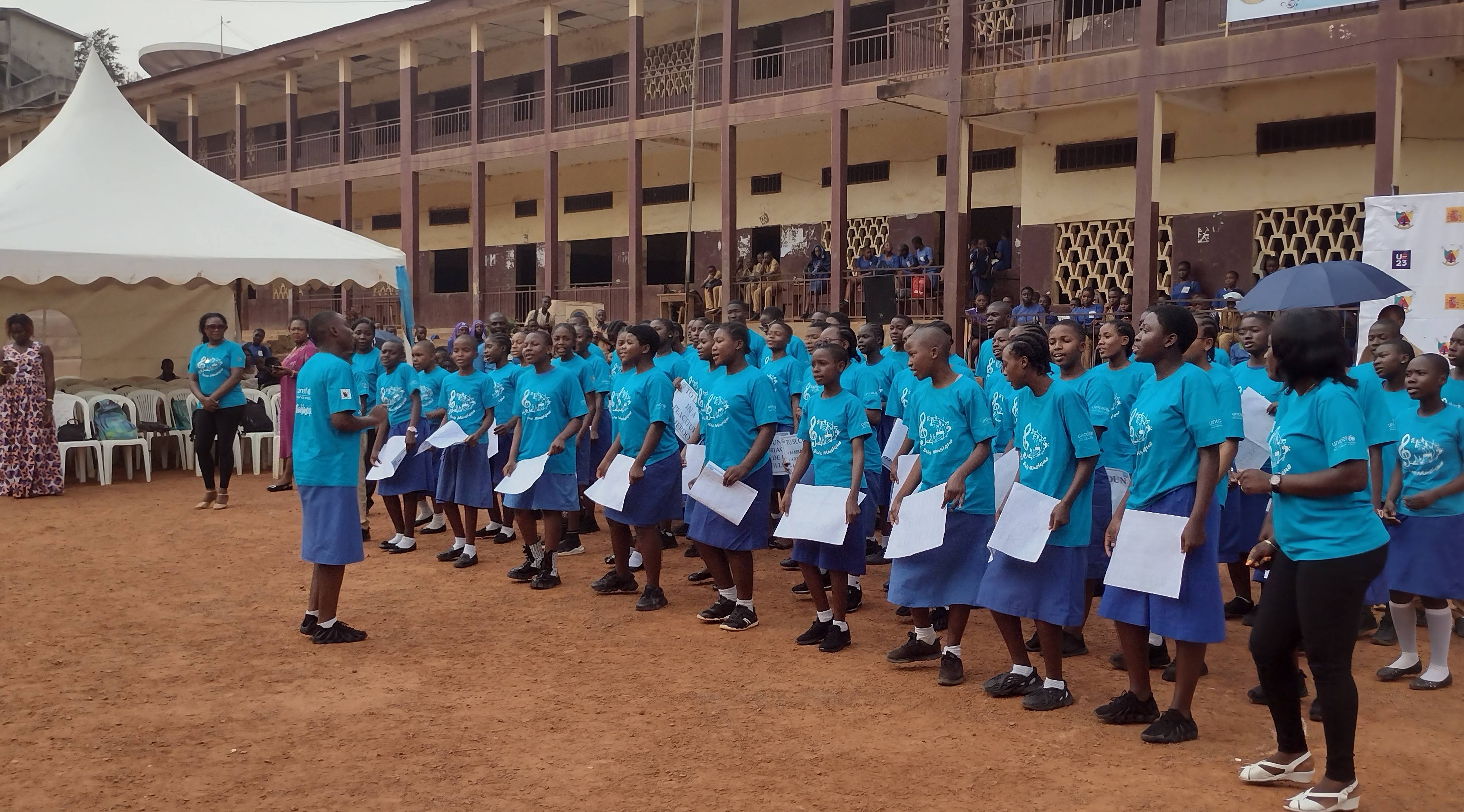
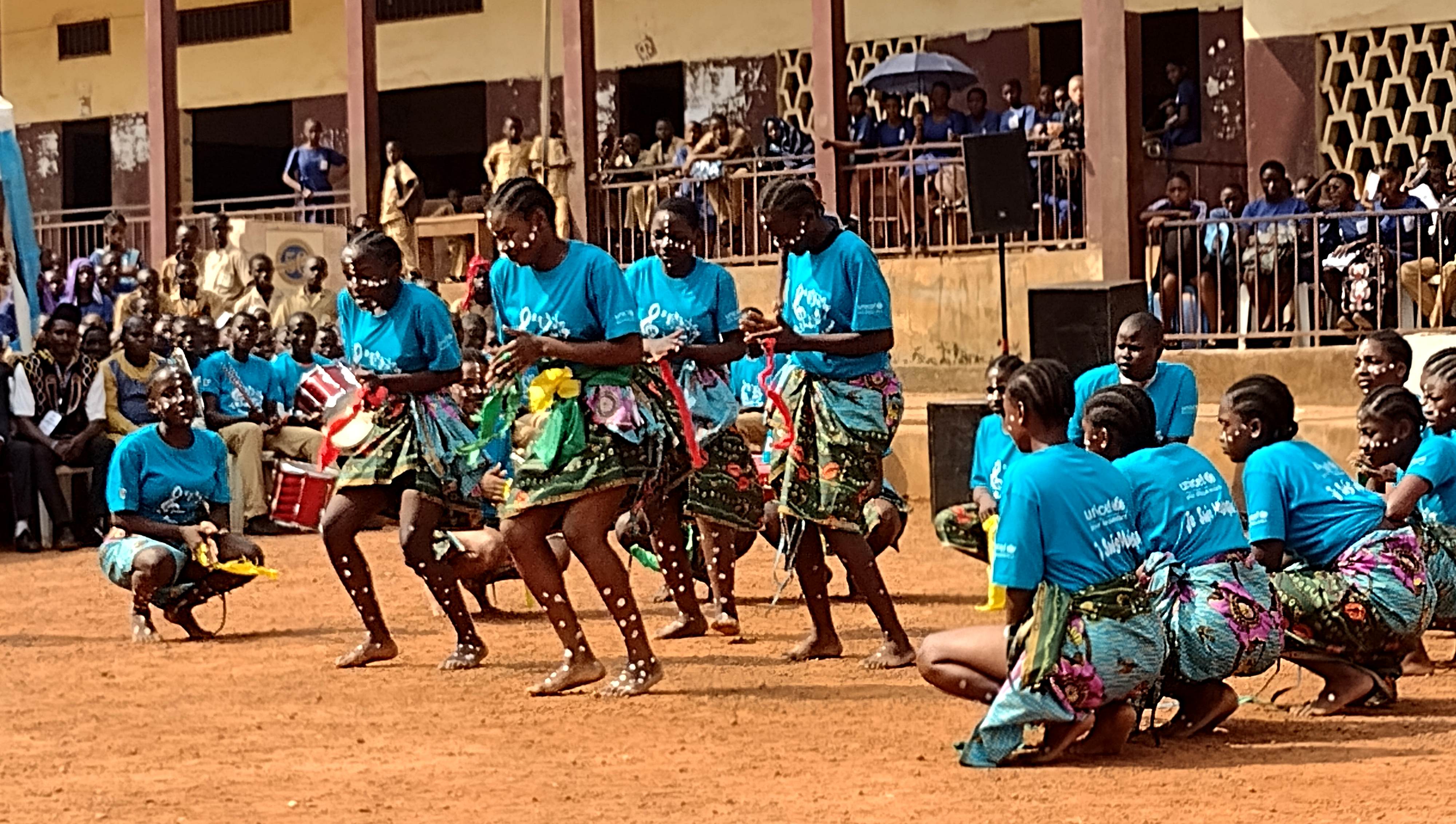
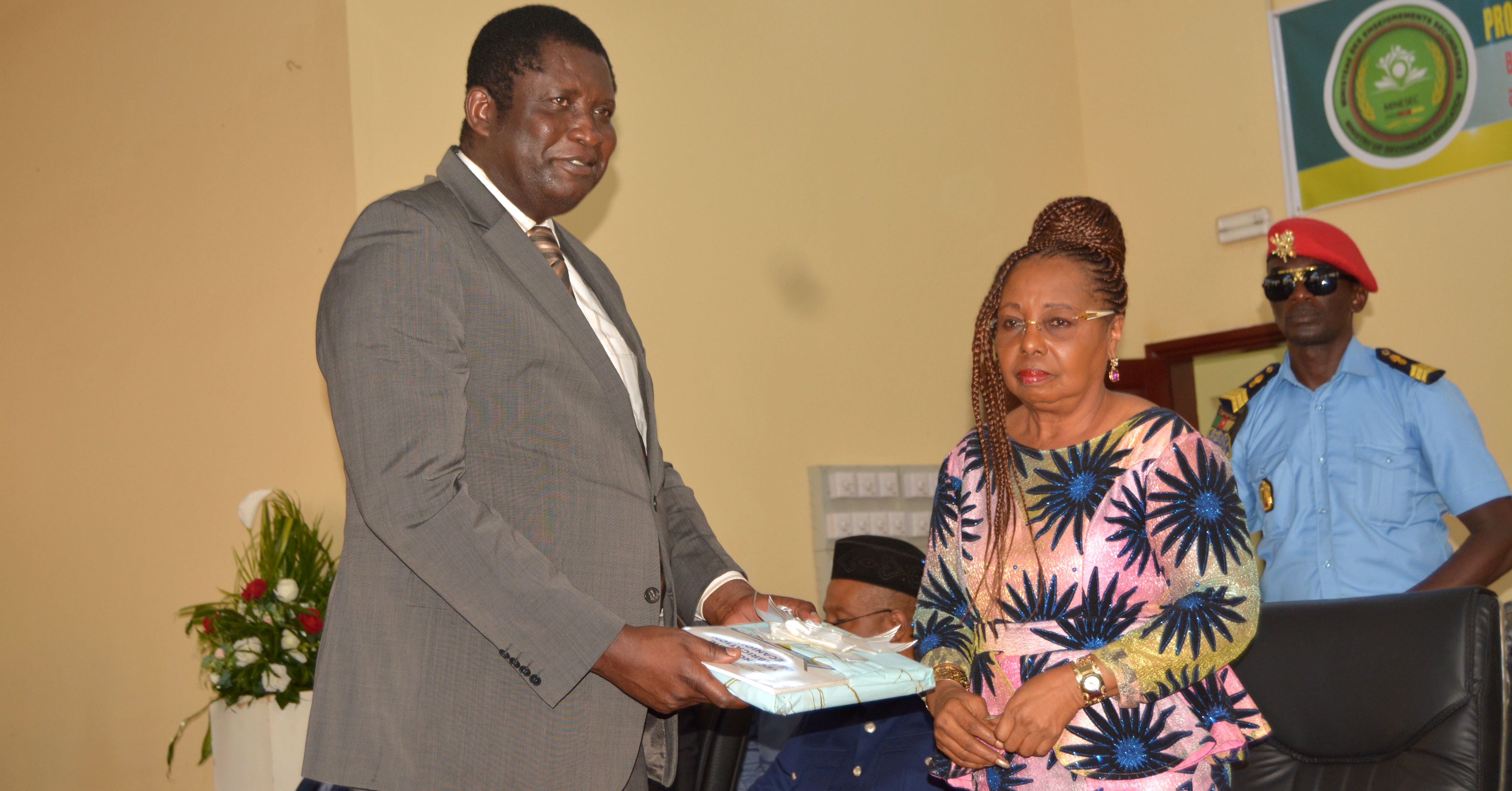
The Minister of Secondary Education, Professor Nalova Lyonga, in the presence of the Second Representative of the Ambassador of Spain to Cameroon and UNICEF’s country representative to Cameroon, presided over a ceremony to inspire students to music, held at Government Bilingual Practicing High School Yaounde, on the 24 January 2024. This ceremony focused on the multifaceted benefits of incorporating music into the education of adolescents in secondary schools due to its transformative power and the various ways it deters violence and enhances their educational experience.

The Cooperation Programme between Cameroon, represented by the Ministry of Secondary Education and UNICEF for the period ranging from 2022-2026, was organized a ceremony which aims to inspire secondary school students to music as a deterrent of violence in the school milieu.

Music is recognized as a universal language that transcends cultural and social barriers. Its impact on individuals, particularly adolescents, extends far beyond entertainment and self-expression. It plays a vital role in fostering holistic development, cognitive skills, emotional intelligence, creating a conducive and protective learning environment, addresses social issues faced by children such as violence, drug abuse, early marriages etc. because it reduces aggression, enhances self-control, and provides a safe haven, and social cohesion among secondary school students.

HarmonizingEducation02

In line with the contributions of the different participants during the event, attention was on the impact music has on the lives of adolescents as regards eliminating violence. Music leads to emotional expression and regulation in adolescence as it provides a safe outlet for adolescents to express and regulate their emotions and communicate their feelings, reducing stress, anxiety. Besides these, music enhances cultural appreciation and diversity acting as a bridge that connects students to various cultures, traditions, and historical contexts.

Diverse musical genres and styles cultivate cultural appreciation and understanding among adolescents which leads to the development of a global perspective, respect for diversity, and a sense of belonging within a broader human context. Music education promotes cultural sensitivity, breaking down barriers and nurturing a more inclusive society, thereby eliminating violence.

Besides inspiring students to discipline, perseverance, and goal setting, music brings students together, promote social integration and community building; encourages collaboration, cooperation, and mutual respect, an act which transcends social barriers, promotes inclusivity and forges meaningful connections among students from diverse backgrounds. This sense of belonging and camaraderie creates a positive school climate, enhancing the overall peaceful cohabitation.

HarmonizingEducation03

To this, Professor Nalova Lyonga states that “… we are celebrating this day of music; music which we think is inborn in Cameroonians but which we have not been practising. Our children have not been practicing music and I wonder why, because we have music in the universities and yet in the lower educational institutions the children are not singing… and that is the thing that I observed when I came here as Minister of Secondary Education and I decided that they are going to learn how to sing because singing inspires noble values. We thought that in Cameroon where we have a lot of variety, a lot of problem with hate language and all of that, music should be one of the ways in which we inspire our children to live together peacefully”.

Joso Sophie,

ARO2/CELCOM

Newsletter No.12 Le Secondaire

Une Newsletter 12 Jan 2024

RESUMPTION OF CLASSES FOR THE SECOND TERM

RESUMPTION OF CLASSES FOR THE SECOND TERM

Professor Nalova Lyonga expresses satisfaction with the effective unfolding of classes in some schools in the Centre Region for the second term of the 2023-2024 academic year.

secondterm01

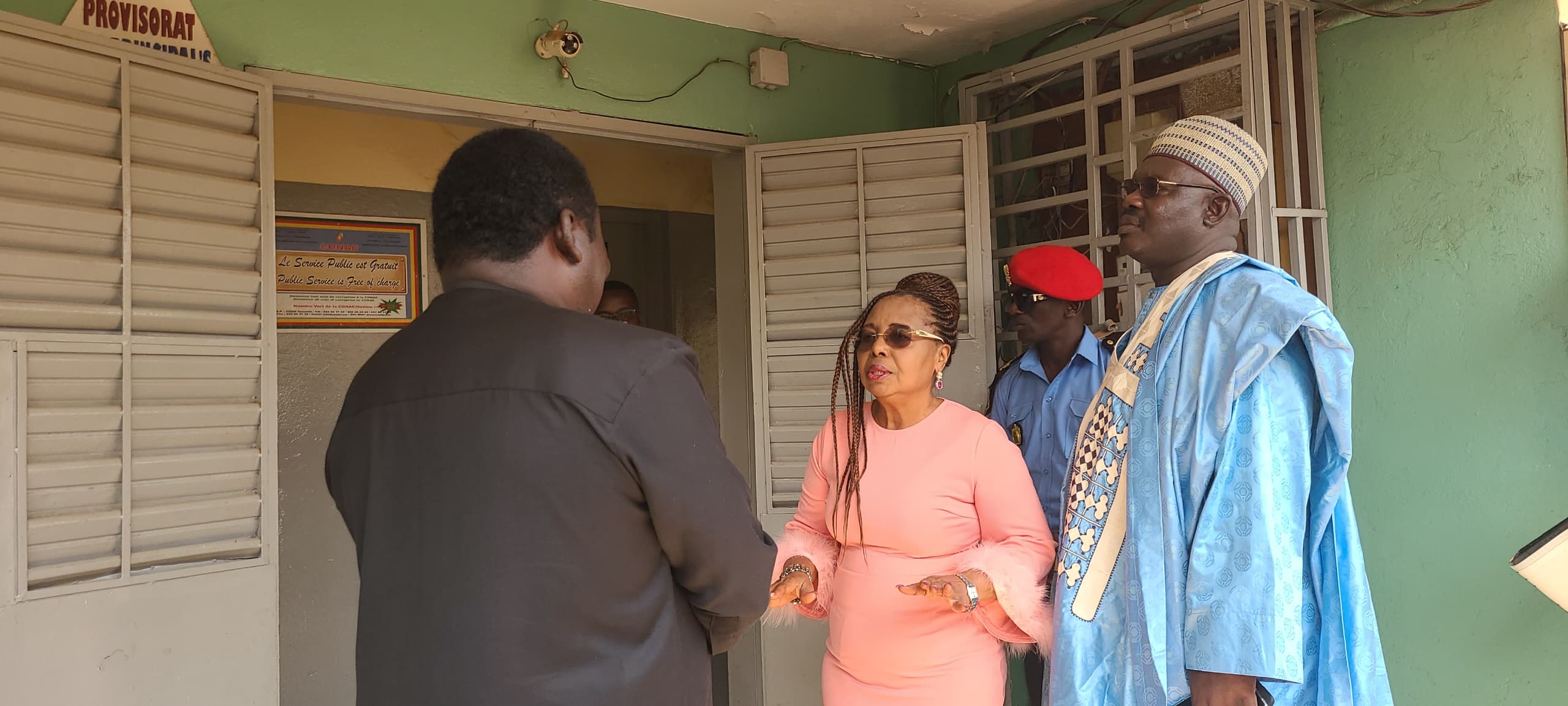
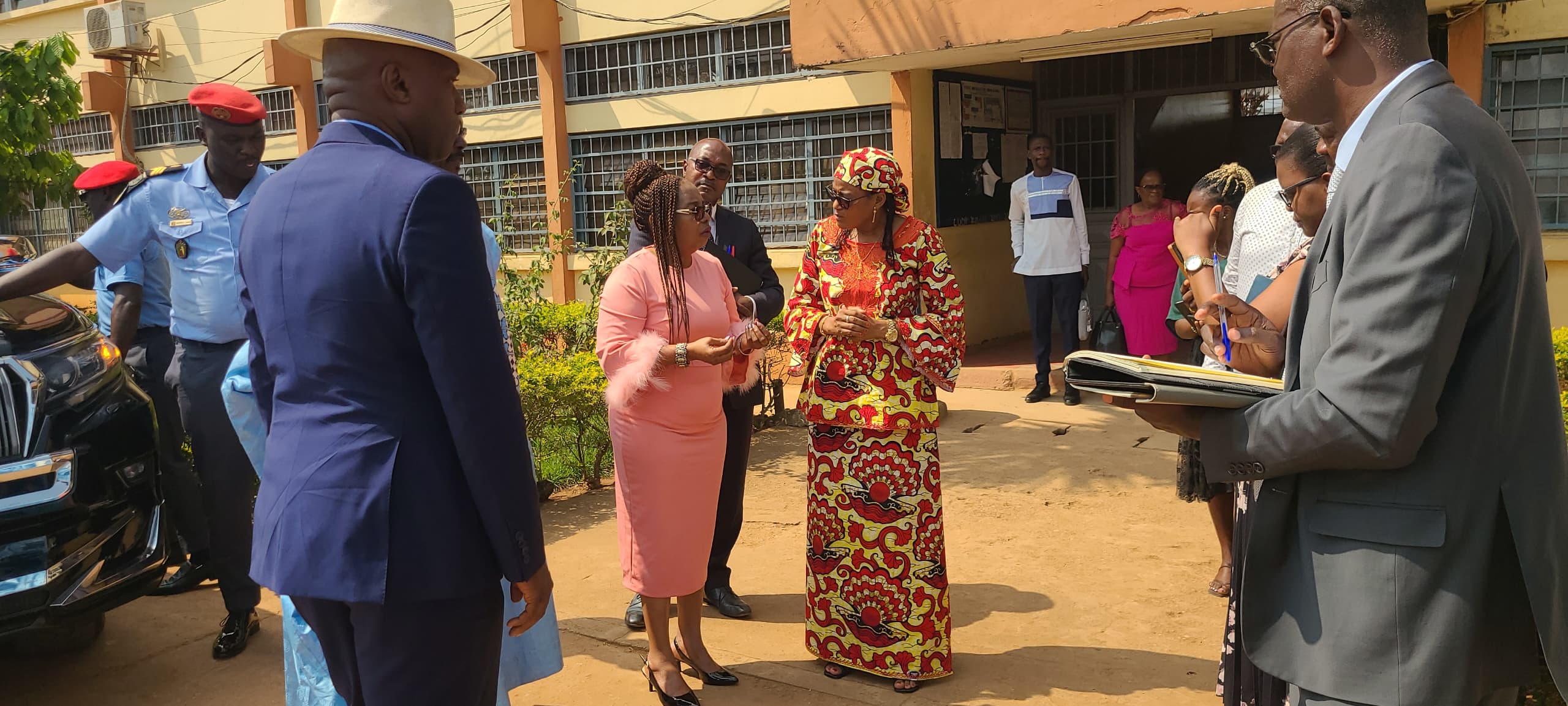
In response to the Head of State’s message to teachers in his end-of-year 2023 and New Year 2024 address to the nation and focusing on teachers’ disenchantment in some secondary schools in the course of the first term of the 2023-2024 academic year, the Minister of Secondary Education, Professor Nalova Lyonga undertook visits to five secondary schools in the Centre Region, on Wednesday, 17 January 2024.

The visit aimed to provide Professor Nalova Lyonga with unfiltered insights into the unfolding of the second term, allowing for a genuine understanding of the challenges faced by the educational community, and take necessary actions to ensure the smooth functioning of the education system.

Delving into the agenda of the day, the first stop was at Government Bilingual High School Ngoa-Ekelle, where in the company of the Secretary of State for MINESEC, Mr. BAYAOLA Boniface, the Secretary General of MINESEC, Professor Pierre Fabien NKOT, and other collaborators of her ministerial department, the Minister of Secondary Education was filled with satisfaction that classes were not disrupted in this institution.

secondterm02

Moving through Government High School Nkol-Eton and Government Bilingual Technical High School Nlongkak, the team learned with utmost satisfaction that not only have classes effectively resumed for the course of the second term, but activities in these two institutions, like the first, were going on hitch-free.

On the campus of Government High School Ahala, Professor Nalova Lyonga was being reliably informed of the smooth unfolding of classes and the successful registration of final year students for their end of course certificate exams.

The final stop was at Government High School Ngoumou in the Mefou-and-Akono Division. The visit provided an opportunity to engage with the staff, understand the impact of the strike and evaluate recovery efforts. Learning from this interaction that 65 out of 97 members of staff were on strike during the first term, Professor Nalova Lyonga and her team entreated the staff to identify any residual challenges and gauge the effectiveness of the measures taken to compensate for lost instructional time.

The visit conducted by the Minister of Secondary Education demonstrated a proactive approach towards evaluating the unfolding of the second term. By bypassing formalities and gaining unfiltered insights, Professor Nalova Lyonga was able to assess the challenges and successes faced by the educational system. This initiative underscores MINESEC’s commitment to ensuring the quality and effectiveness of secondary education in Cameroon.

In a note of appraisal of the tour, Professor Nalova Lyonga stated: “I am very glad that classes have started as well as we expected them to start…”, a firm reassurance of the fact that teachers are aligning to the Head of State’s message, even though measures against defaulters are envisaged.

By

JOSO Sophie

ARO2/CELCOM

PROMOTION OF MADE-IN-CAMEROON IN TECHNICAL AND VOCATIONAL EDUCATION

PROMOTION OF MADE-IN-CAMEROON IN TECHNICAL AND VOCATIONAL EDUCATION

The Huge Contribution of Cameroonian Teachers in Technical Industrial Education

35,700 textbooks of Industrial Techniques written by Cameroonian teachers have been distributed to Regional Delegations of secondary education and to some technical schools.

ITBOOK01

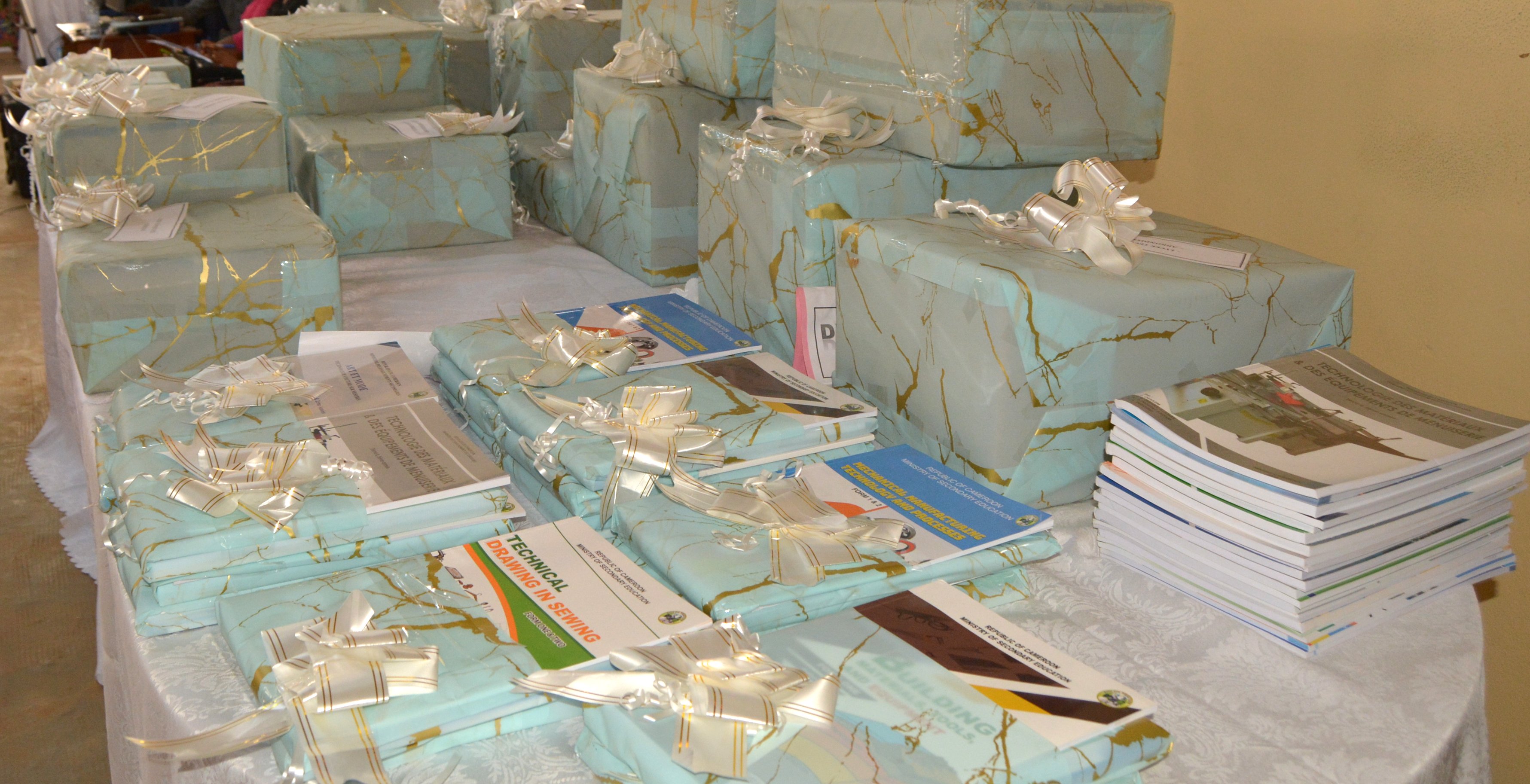
The expertise of Cameroonian teachers in Technical Education was under the spotlight at Government Bilingual Technical High School Nsam, on 10 January 2024 where the Minister of Secondary Education, Professor Nalova Lyonga handed over 35,700 copies of 21 textbooks of Industrial Techniques to 11 technical schools in the Centre Region and to the Regional Delegations of the Ministry of Secondary Education.

ITBOOK02

These textbooks which are intended for first- and second-year students of the first cycle in Technical Education, are entirely written by technical education teachers and experts in Industrial Techniques. With this, the Ministry of Secondary Education aims to promote made-in-Cameroon knowledge in Industrial Techniques in particular and decolonise theoretical knowledge in Technical and Vocational Education in general.

ITBOOK03

The production of these textbooks was conducted by the Inspectorate of Pedagogy in charge of Industrial Techniques led by Ticki Alain Brice, Inspector-Coordinator General for Industrial Techniques, under the supervision of the Inspector-General of Education, Jean-Paul Marcelin Mebada. This collaborative project brought together industry experts and subject specialists who pooled their know-how in Industrial Techniques to come up with top-notch textbooks that will serve to pass on to young Cameroonians up-to-date skills in line with the demands in the job market.

The Minister of Secondary Education, Professor Nalova Lyonga, congratulated the Inspectorate of Pedagogy in charge of Industrial Techniques and all the members of the editorial teams for flawlessly delivering on the very first in-house project to develop school textbooks for technical industrial education. She lauded their substantial contribution in improving the quality of Technical and Vocational Education.

By Aimé Ngidjol

ARO1 CELCOM

ADDRESSING VIOLENCE IN SCHOOLS

ADDRESSING VIOLENCE IN SCHOOLS

00k

Promoting best disciplinary practices in schools through orientation and sensitisation

Awareness-raising at the grassroots is key to making our schools safe and secure.

01k

Following an act of violence witnessed on the campus of Government Bilingual Technical High School (GBTHS) Nsam on Monday, 8 January 2024 in the afternoon, the Minister of Secondary Education, Professor Nalova Lyonga, held an orientation session with the students of this school on Tuesday, 9 January 2024. On this occasion, the Minister was flanked by the Secretary of State in the Ministry of Secondary Education (MINESEC) in charge of teachers’ training, Boniface Bayaola, and the Inspector General of Services, Akat Fidelis Etta.

The aim of this talk was to sensitise the students on the attitudes and values expected from them and raise their awareness on the application of school rules and regulations regarding violence. Meeting with the authorities of the Ministry in the conference hall of the school, the students and the staff of GBTHS Nsam listened to presentations made by three officials of the Ministry of Secondary Education.

02k

First to take the floor was the Director of Legal Affairs in MINESEC, Njomnang Tchatchouang Leopold. He browsed through the legal instruments available on discipline in school, not only to remind the students and the school staff of the existence of such instruments but also to highlight the specific provisions applicable in case of indiscipline in school. He made a clear-cut distinction between the notions of ‘punishments’ and ‘sanctions’ provided for in the school rules and regulations.

He specified that while punishments are solely handled by the school rules and regulations, acts of violence resulting in sanctions can equally be handled by the penal law which goes beyond the school authority. As such he cautioned the students and the school staff to know and abide by the school rules and regulations in order to stay safe and maintain their environment safe.

03k

The Inspector of Services No.3 in MINESEC, Ayong Bertin, as the second speaker, advised students on the importance of nurturing living-together while in school. Dwelling on the school rules and regulations, he told the students about the best attitudes and humane values they should adopt in order to foster social cohesion and mutual understanding among themselves and in the community.

04k

The Director of Examinations and Certification in MINESEC, Dr Shewa Magdeleine, the last speaker, presented the Government policy articulated in the Clean School vision spearheaded by Professor Nalova Lyonga since her appointment at the helm of the Ministry of Secondary Education. Clean School entails promoting ethics, excellence, the fight against violence, drug consumption and corruption in schools. It implies cleanliness at physical, moral and intellectual levels. She insisted on the moral aspect of the Clean School vision which is considered the starting point of any human success.

While underscoring the respect for the school rules and regulations, the three speakers reminded the students about their responsibility in preserving GBTHS Nsam which the Minister referred to as a reference school. Further assurance was given by the law enforcement officers from the company in charge of security in schools and university campuses (CSESU) who gave assurance of their relentless determination in ending violence in schools.

05k

In the same vein, Professor Nalova Lyonga reiterated Government’s commitment in making GBTHS Nsam safe and secure. “GBTHS Nsam is going to be a school without violence. It is going to be a safe school. We are committed to that.”

By Aimé Ngidjol

ARO1 CELCOM

Talk to us

+237 222 223 843